Spring through summer prep
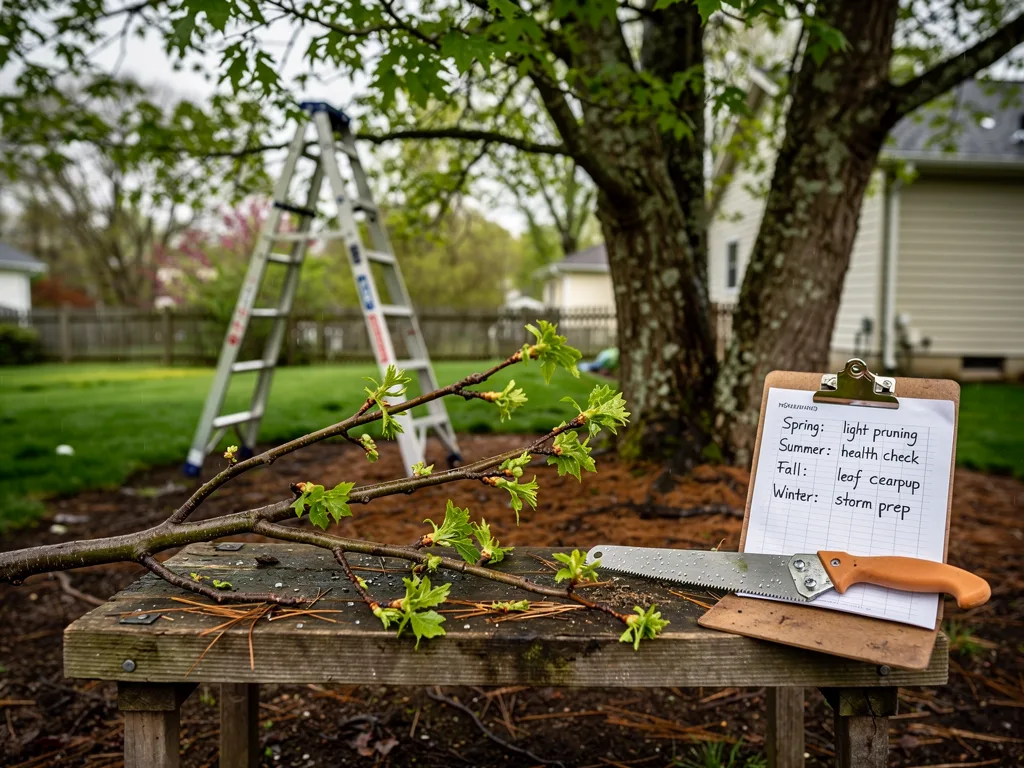
Spring is a time to inspect after winter, remove any damaged limbs, and tidy up the canopy to improve air flow. In Danbury, heavy spring rains can weigh down branches, so a light pruning job by a tree care specialist may be wise to prevent moisture-related cracks. Use this time to check for sunburned bark on south-facing trunks and to address any soil compaction around the root zone.
Summer calls for regular water and mulch management. Deep watering during dry spells helps trees recover, but avoid constantly saturated soil. A layer of mulch 2 to 4 inches thick around the root zone, but not touching the trunk, protects roots from heat and helps soil retain moisture. Dirty, compacted soil around a tree can restrict root growth, so consider aeration if your soil is heavy clay or chalky sand.
Fall and winter readiness
Fall is the time to plan for heavy leaf litter and to assess crown balance. Plan for pruning that reduces wind resistance and supports a strong structure for the next season. After fall, remove leaves and debris from around the base so fungi and pests don’t gain a foothold. In winter, frozen soil makes roots more vulnerable; avoid driving heavy equipment over the root zone and keep sidewalks clear so branches don’t become trapped against structures in a storm.
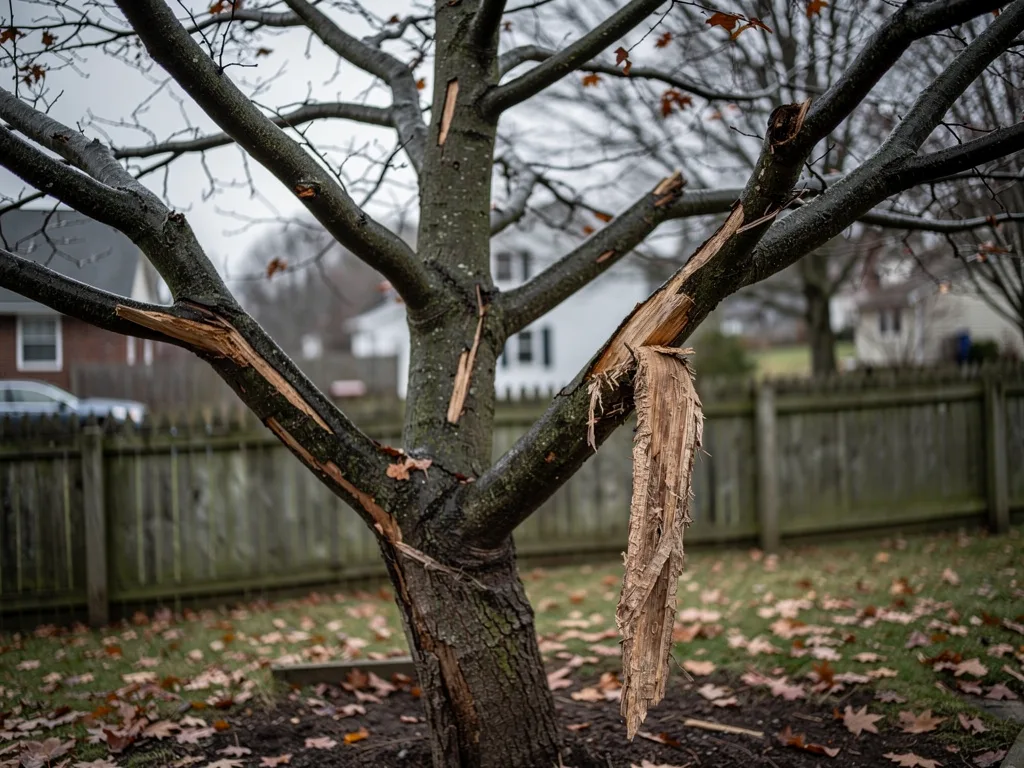
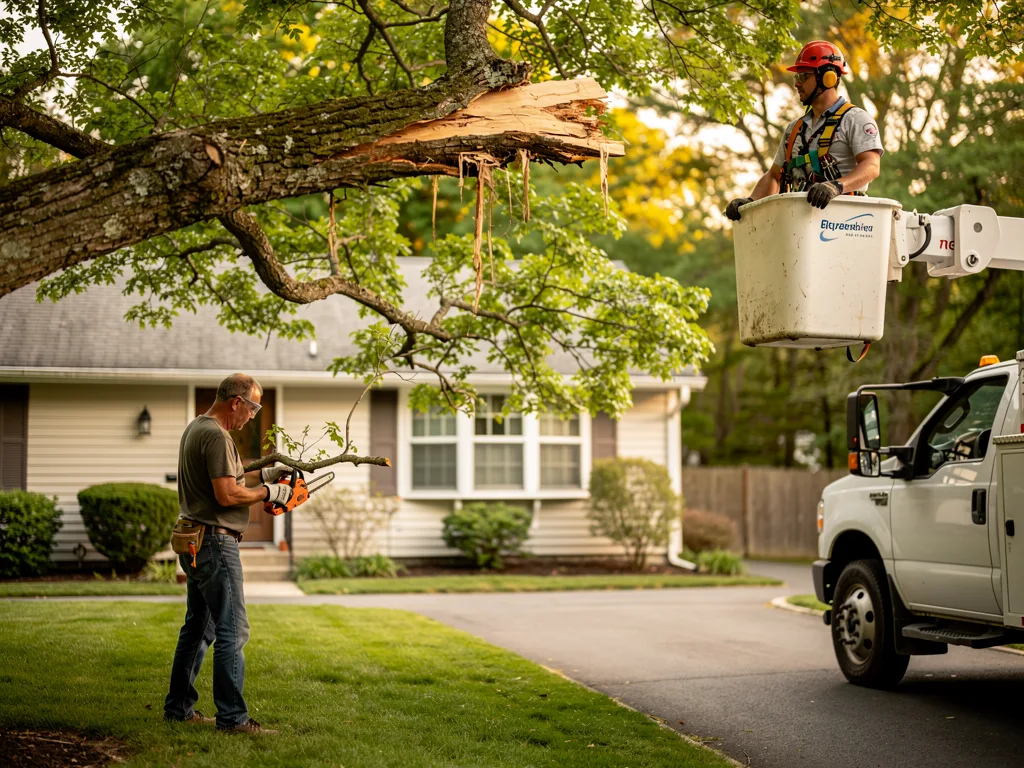
Danbury winters bring ice and wind. If you notice cracks in the trunk, splitting at the base, or limbs leaning after a freeze, call a tree care specialist. A professional assessment can determine whether you need pruning, crown restoration, or removal to keep your yard safe in the next season.
Proactive routines that pay off
Establish a yearly plan with a tree care specialist: health checks, structural pruning, and soil and root-zone care. A simple calendar reminder for Danbury homeowners can help you stay on track before problems become serious. Regular checkups beat last-minute fixes and protect your property from storm damage when the next Nor’easter rolls into Connecticut.