Spotting trouble early in Danbury's trees
Danbury gets a mix of storms, winter freezes, and heavy summer growth. That combo stresses trees and can mask serious problems. A tree care specialist from Danbury Tree Service Specialists often sees issues that, if caught early, save your yard and your wallet. Start with a quick walk around your property after storms or strong winds and look for signs of trouble close to the trunk.
First, inspect the trunk for cracks, holes, or a loose or hollow feel. If you see a hollow cavity or sound a hollow when you tap the wood, that can be a red flag. Also check for non-native decay patterns or fungal growth at the base, which can signal internal rot. Remember that decay often starts inside the trunk and works its way outward, so what you notice on the outside might be the tip of the iceberg.
Key warning signs to monitor
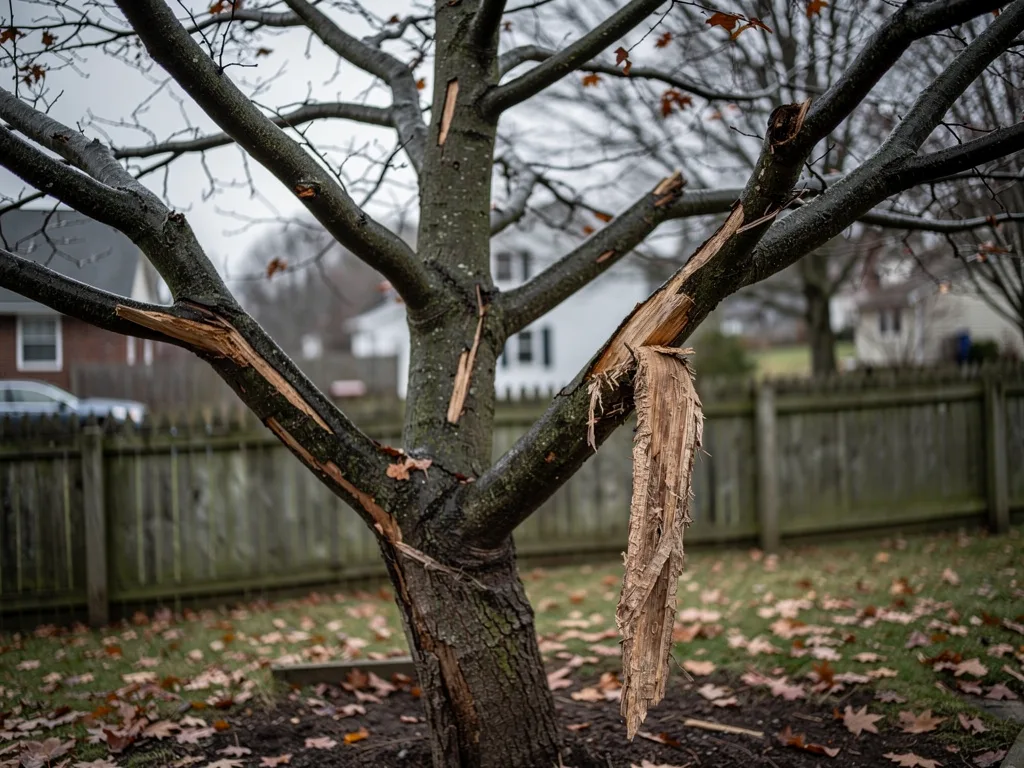
Lean is another important indicator. If a tree starts leaning noticeably after a storm or as roots loosen from soil, that can mean root and root plate issues. Cracking or splitting at the trunk, savory cracks running from the base up toward the crown, or a tree that sheds large limbs without warning are all reasons to pause and call in a tree care specialist. Dead or dying branches, especially on the outer canopy, can suggest the tree is under stress or could fail during a wind event.
Look for mushrooms at the base or on the trunk. While some fungi play a role in naturally breaking down older trees, a sudden emergence of bracket fungi, conks, or soft, decaying wood often points to internal decay. In Danbury, freeze-thaw cycles can worsen splits and cracks, making inspection even more important after winter.
What to do next if you see warning signs
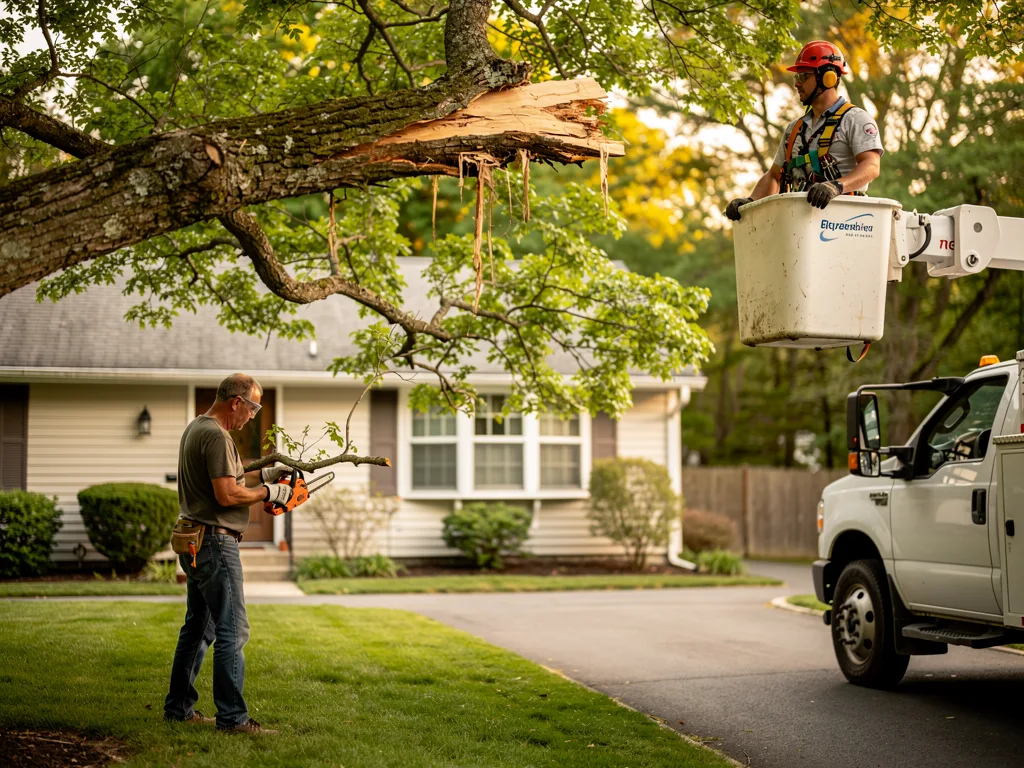
If you notice any of these signs, avoid climbing or attempting to prune large limbs yourself. A tree care specialist from Danbury Tree Service Specialists can assess the structural integrity safely, using percussion tests, probing, and non-invasive instruments when needed. The goal is to determine whether the tree can be saved, needs selective removal, or requires more extensive remediation.
A careful plan usually starts with a tree health check, followed by a targeted pruning plan or crown thinning to reduce wind load. In some cases, soil issues or root competition can contribute to instability, and addressing those problems can buy time. By catching warning signs early, you protect nearby homes, cars, and power lines and give your landscape a better chance to recover.
Plain-language takeaways for Danbury homeowners
Trust your eyes after a storm. If the tree looks unstable or rips a limb without much warning, call a tree care specialist. Schedule regular checks for your mature trees, especially if your yard has oaks, maples, or birches that grow quickly. A quick inspection now can prevent a bigger problem later, and it helps you plan before the next heavy wind or ice spell rolls through Danbury.